In fire classes a Class B fire is a fire in flammable liquids or flammable gases petroleum greases tars oils oil-based paints solvents lacquers or alcohols. They are caused by energized electrical elements such as damaged power cors or overloaded electrical outlets.

The Different Types Of Fires Classes Prevention Reaction
Those added elements directly impact how firefighters deal with the blaze as well as the severity and type of damage left in the fires wake.
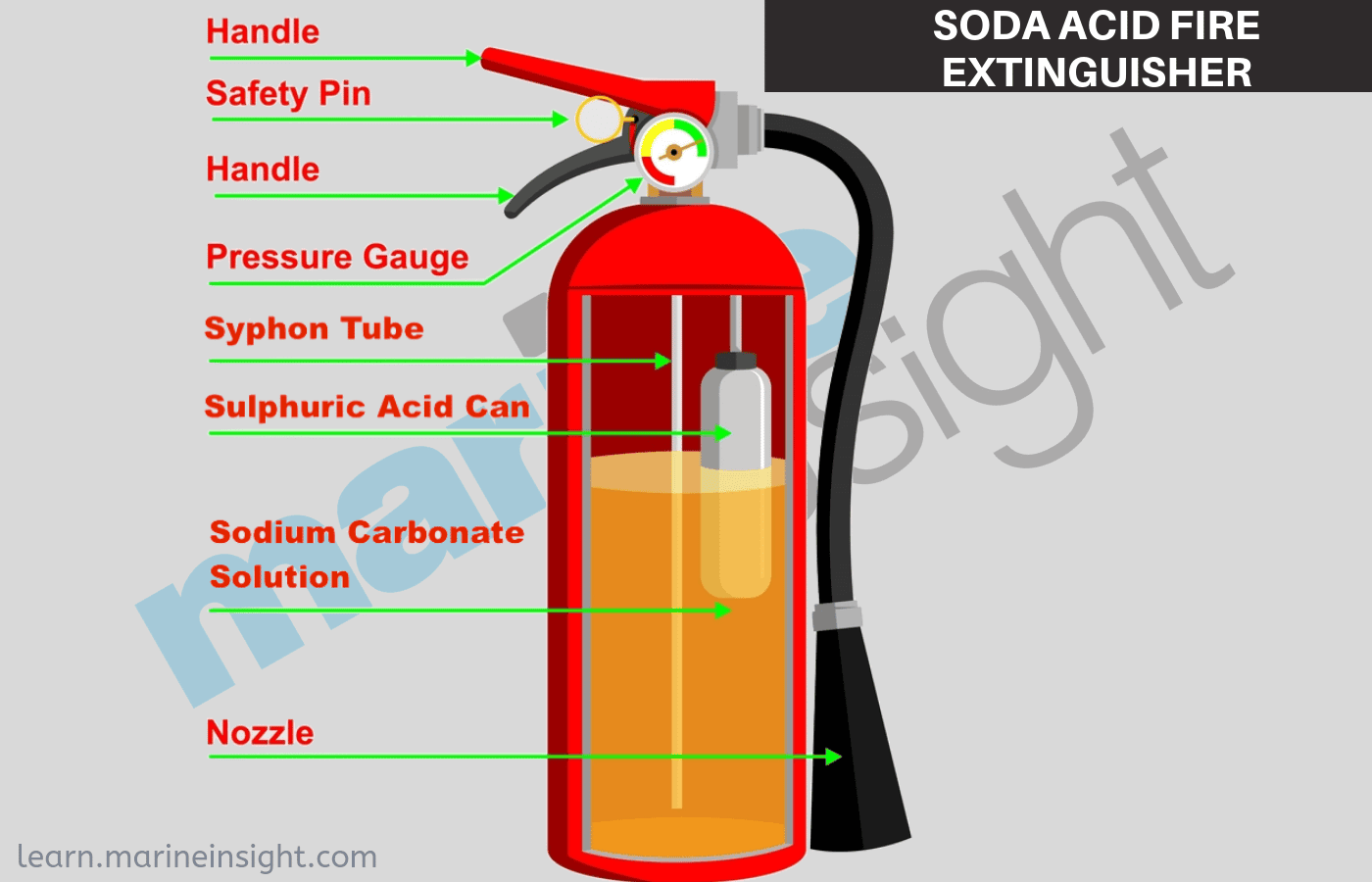
. In order to have a fire you need fuel oxygen heat and a chemical reaction. Each type of fire involves different flammable materials and requires a special approach. Class A Class B Class C Class D and Class K.
What Does Class B Fire Mean. Class B Fire Liquid fires. Flammable Liquids andor Gases The next fire type you need to be aware of is the ones started by flammable liquids.
Fire caused due to burning metals such as lithium sodium potassium magnesium titanium etc. Flammable Liquids and Gases. This will spread the flames.
Class E Fire Damage. The fuel for a Class B is a combustible gas or liquid. The only difference is the fuel.
There are four classes of fires. Once the electrical item is removed the fire changes class. Class B fires involve flammable liquids and gases especially fuels like petroleum or petroleum-based products such as gasoline paint and kerosene.
The best solution to these fire hazards are dry chemical powder or clean agent gas. A Class C fire is a fire that involves electrical equipment electrical appliances or electrical wiring. If color-coded the square is red 223 CLASS C - These fires occur in energized electrical equipment where the electrical non-.
Class B fires are known to result from an explosion of flammable liquids or gases. Class B fire refers to a fire involving flammable liquids such as petroleum gasoline kerosene petrol diesel octane etc paint alcohol solvent oil and tar etc. Class B Fires Extinguish by Depleting Oxygen.
Extinguishers suitable for Class B fires should be identified by a square containing the letter B. Most of these liquids have a high carbon content and the compounds in them and. Beyond knowing your fire hazard classification you also need to understand your area hazard classification.
Class C Fire Electrical fires. Flammable gases such as butane or propane are. Caused by electrical equipment such as TVs computers faulty wiring frayed cables broken electrical appliancestools short circuits overloading multi-adaptor plug sockets hairdryers extension leads etc.
Other gases that are highly flammable are propane and butane which are common causes of Class B fires. In fact trying to fight a blaze with the wrong method might make the situation worse. What causes Class B fire.
Class B fires caused by flammable liquids such as paint turpentine or petrol among others. Class F Fire Damage. Flammable gases include butane and.
What is a Class B material. They can ignite by heating them up to extreme temperatures or with a simple spark. For example propane natural gas gasoline and.
The use of lighter fluid on a charcoal grill for example creates a Class B fire. Class B fire extinguishers are used to put out fires that have started from highly flammable liquids. Blanketing with O2-deprivation eg CO2 dry chemical or foam.
Fires can be classified in five different ways depending on the agent that fuels them. A fire caused by flammable or combustible liquids and gases oil gasoline. Because ordinary combustibles are so common in house fires authorities usually recommend that you get a fire extinguisher that includes at least an AB rating Most common fire extinguishers are class ABC.
Class A fires involve ordinary combustible materials such as cloth wood paper rubber and many plastics. Flammable liquids include petroleum-based oils or paint tars alcohol oils solvents gasoline and kerosene. Electrical equipment appliances and wiring in which the use or a nonconductive extinguishing agent prevents injury.
Class B Fires. In the United States all flammable liquids and gases are Class B. Class E damage includes Class A and B factors but also includes electrical elements.
Class B hazards include Flammable liquids greases and gas. Class B fires involve flammable and combustible liquids such as gasoline alcohol oil-based paints lacquers. What is a Class B fire caused by.
Fire caused due to electrical equipment or sources this class is typically a separate class in most countries and only referred to by. Extinguishers with an A rating are designed to extinguish fires involving these ordinary combustible materials. Common liquid based fuel sources include petroleum based oils and paints kerosene and gasoline.
In fire classes a Class B fire is a fire in flammable liquids or flammable gases petroleum greases tars oils oil-based paints solvents lacquers or alcohols. Ordinary solid combustibles such as paper wood cloth and some plastics. Fires involving cooking oils and fats fall into this final category.
These include alcohols oil gasoline and paint. So a class B fire is very dangerous as it is the burning of flammable liquids. They are caused by flammable and or combustible liquids such as kerosene gasoline benzene oil products alcohol and other hydrocarbon deviations.
Because a solid stream of water can cause the fuel to scatter. Flammable liquids such as alcohol ether oil gasoline and grease which are best extinguished by smothering. These liquids include any type of lacquer or oil-based paint products paint thinners and lacquer thinners oils and gasoline.
They are fires that starts in live electrical wires 4. The Class B fire is defined as one that uses a flammable liquid or gas as its fuel base. Fires that result from the combustion of certain metals in equipment motors.
Any of the following may be the fuel source for a Class B fire. These materials are typically found in. Examples of flammable liquids include petrol oil paraffin alcohol and certain paints.
This is suitable for grease gasoline or oil-based fire is usually filled with a dry chemical. That normally do not leave any embers or residues or very low amounts of residues. 2012 Farlex Inc.
It is one of the five classes of fires along with A B D and K. Class D Fire Metallic fires. A fire of this type is fast-spreading and capable of engulfing a large area in a very short time.
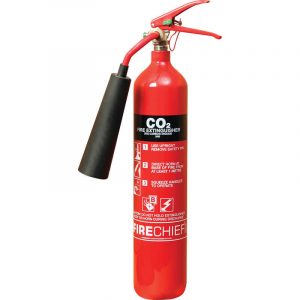
Types Of Fire Extinguishers A Guide Fire Risk Assessment Network

Pin By Lori Brown On Interesting Info Class Types Of Fire Fire

What Are The 5 Different Classes Of Fires Vanguard

Different Types Of Fire Extinguishers Used On Ships
Different Types Of Fire Extinguishers Used On Ships
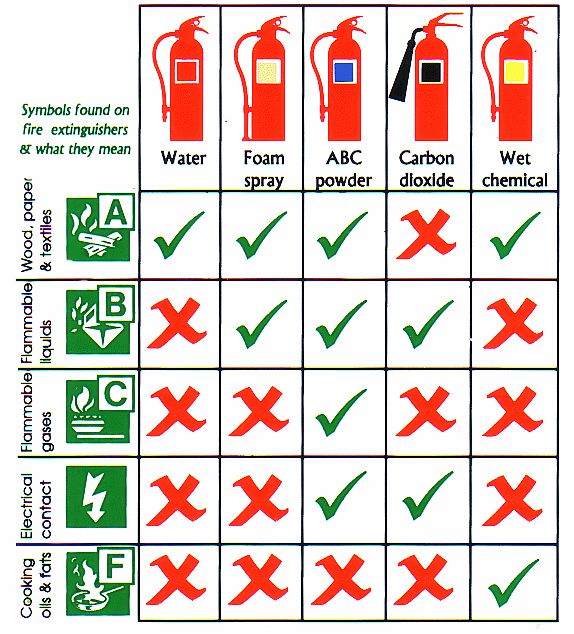
Fire Extinguisher Types How To Choose The Right Class

The Types Of Fire Extinguishers Classifications Water Foam Co2

Which Fire Extinguisher Should I Use For Each Type Of Fire Infographicbee Com Fire Extinguisher Training Types Of Fire Extinguisher

Fire Extinguisher Types Uses How To Choose

What Is A Class B Fire The Best Suited Fire Extinguisher East Rand Fire
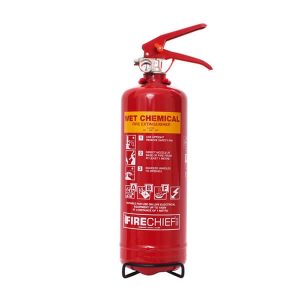
Types Of Fire Extinguishers A Guide Fire Risk Assessment Network
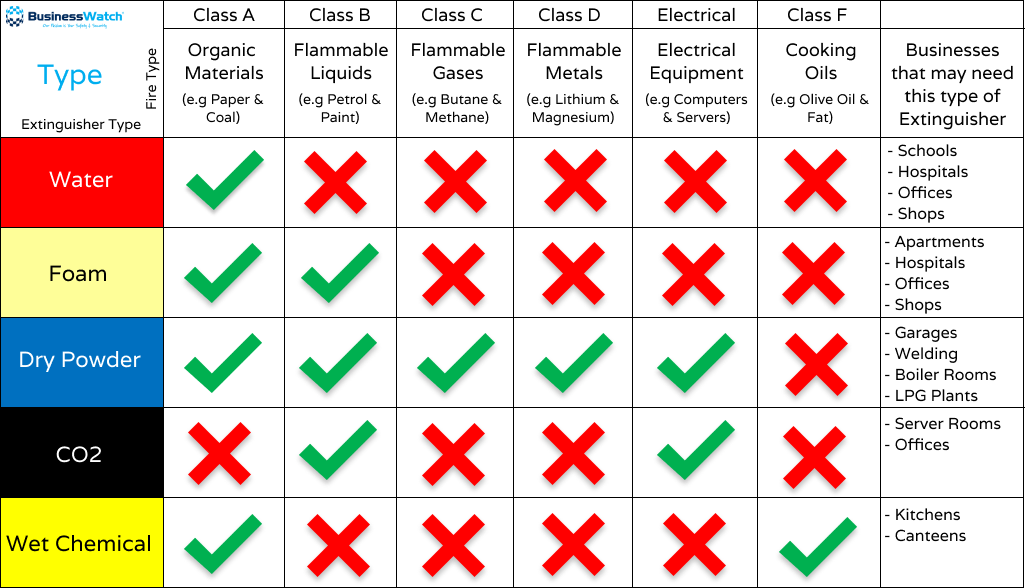
What Are The Different Types Of Fire Extinguishers Uk Businesswatch

The Five Classes Of Fires And The Fire Extinguishers That Stop Them Strike First Usa
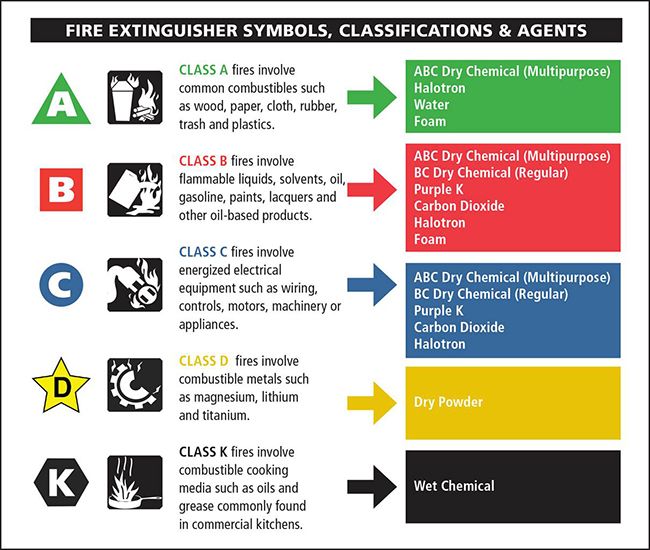
Types Of Fires Kidde Fire Safety

Abcs Of Fire Extinguishers Fire Prevention Services The University Of Texas At Austin
Types Of Fire Extinguishers A Guide Fire Risk Assessment Network
Fire Extinguisher Types How To Choose The Right Class
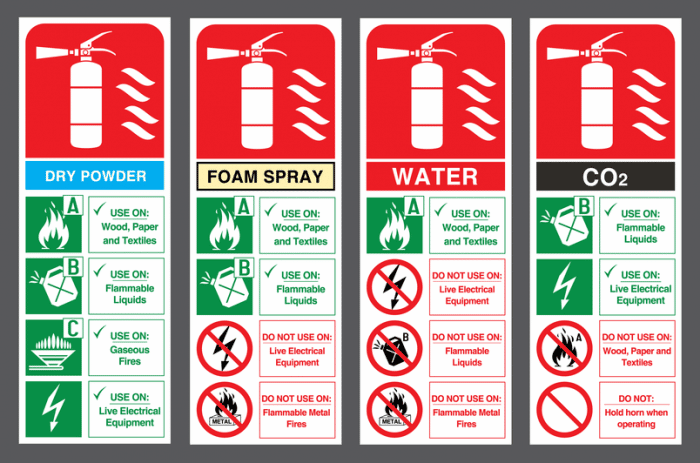
Different Types Of Fire Extinguishers Used On Ships
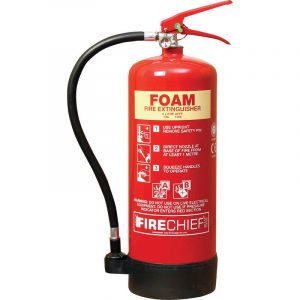
Types Of Fire Extinguishers A Guide Fire Risk Assessment Network
